





blog
Use cases /
Improve demand forecasts
Improve demand forecast accuracy
ClimaChain adds climate intelligence to your existing forecast models, so demand signals driven by weather, pollen, and air quality are built in.
ClimaChain adds climate intelligence to your existing forecast models, so demand signals driven by weather, pollen, and air quality are built in.
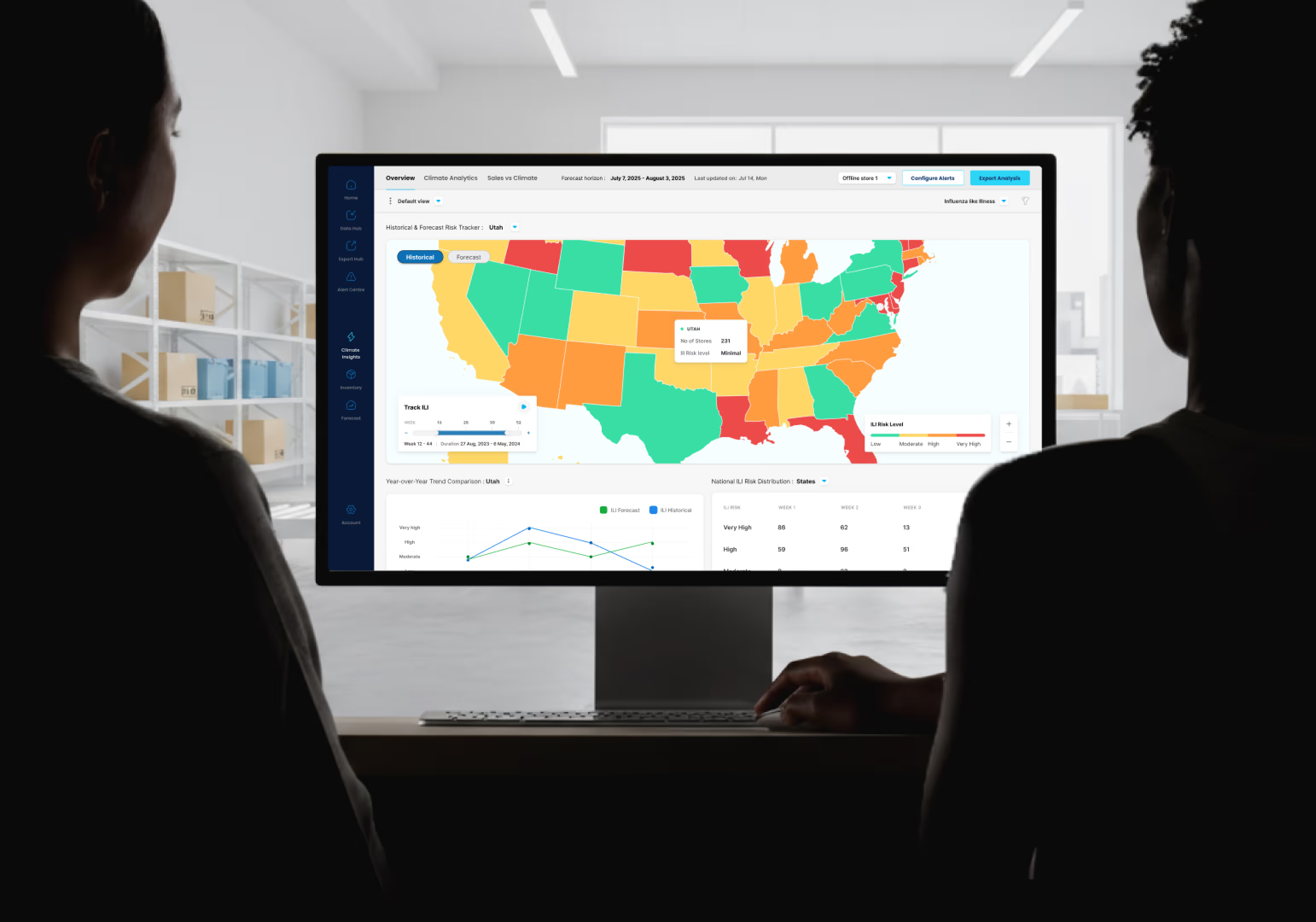







Shifting climate conditions are proven to drive demand across product categories; however, most demand models run on historical sales trends, ignoring the effect of shifting hyperlocal conditions impacting store-level demand.
As a result, demand surges in these products are left unseen and uncaptured.
ClimaChain connects the conditions that drive consumer demand to your products, your regions, and your planning cycle: pollen, weather, air quality, and illness trends.
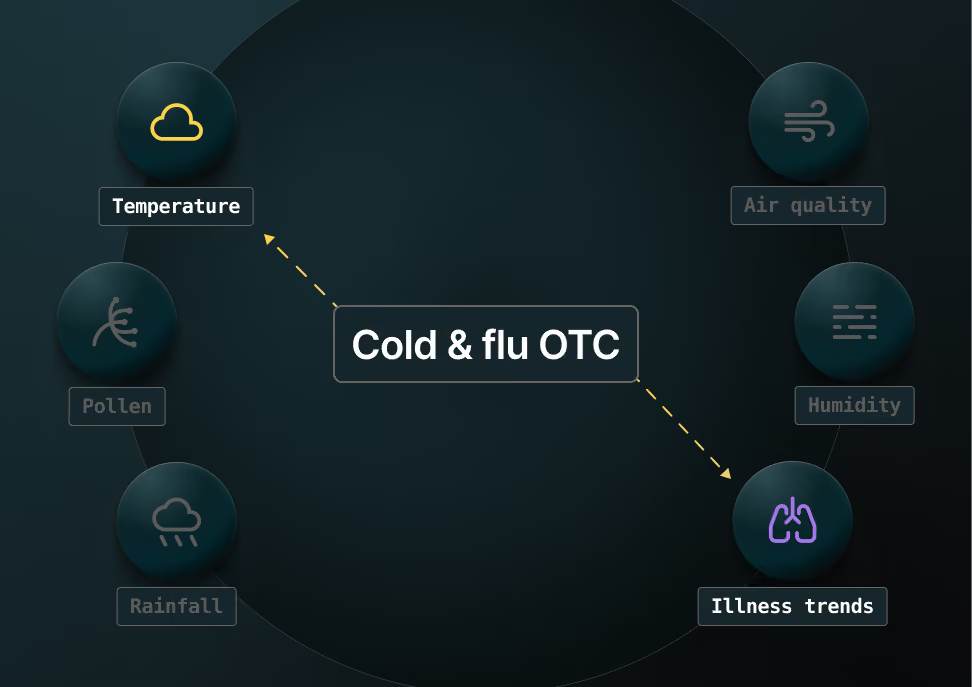
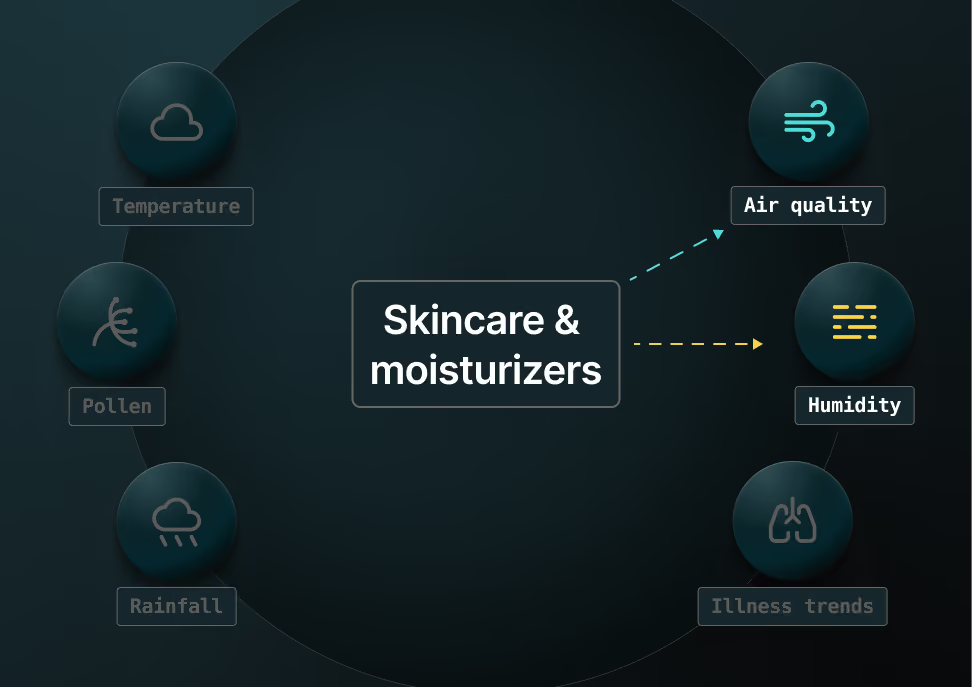
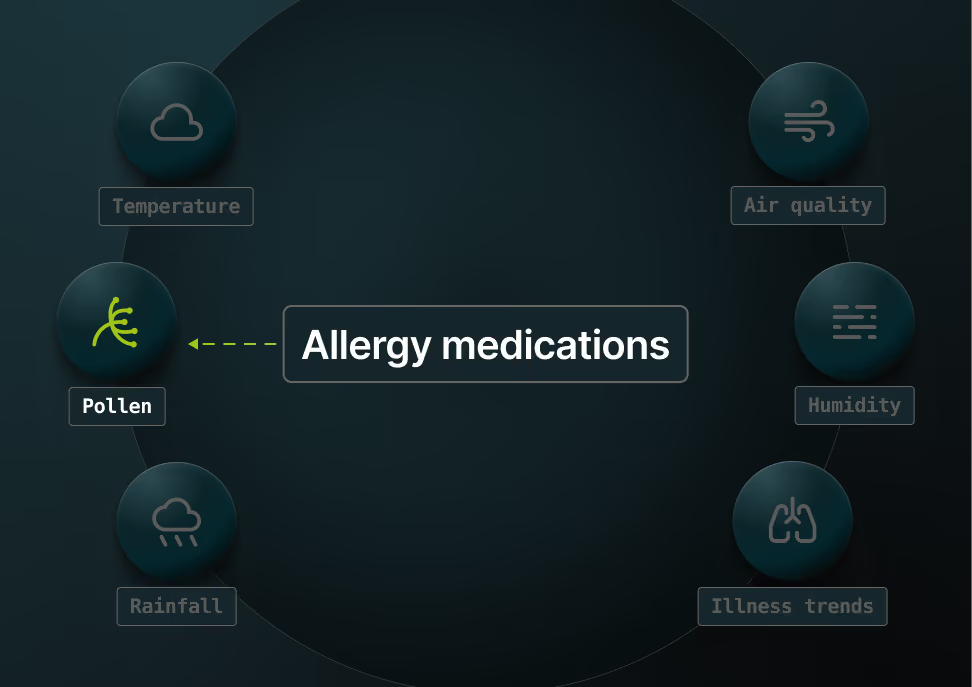
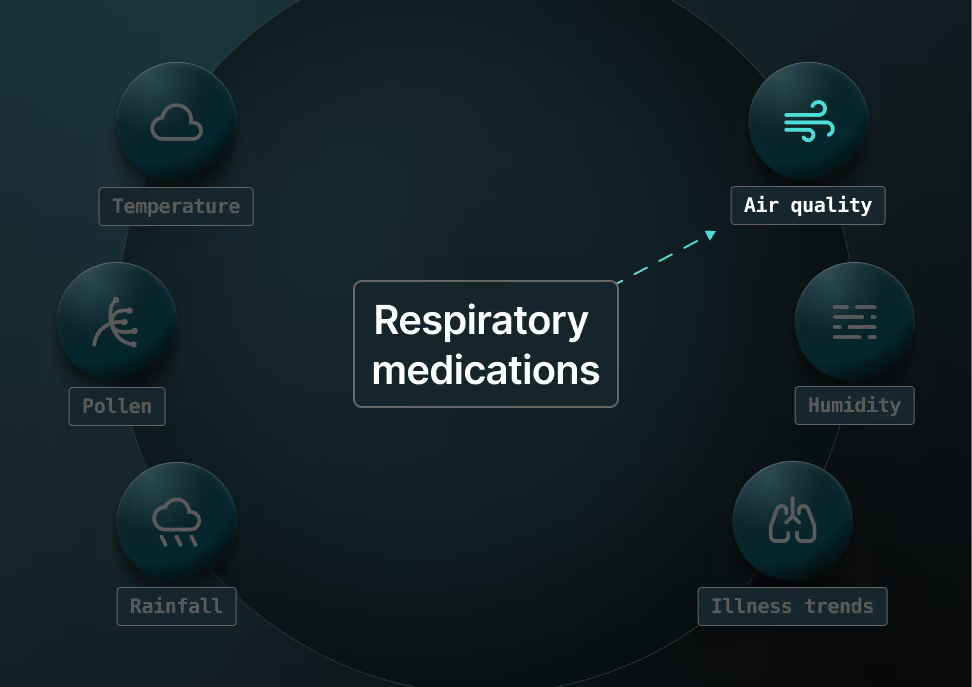
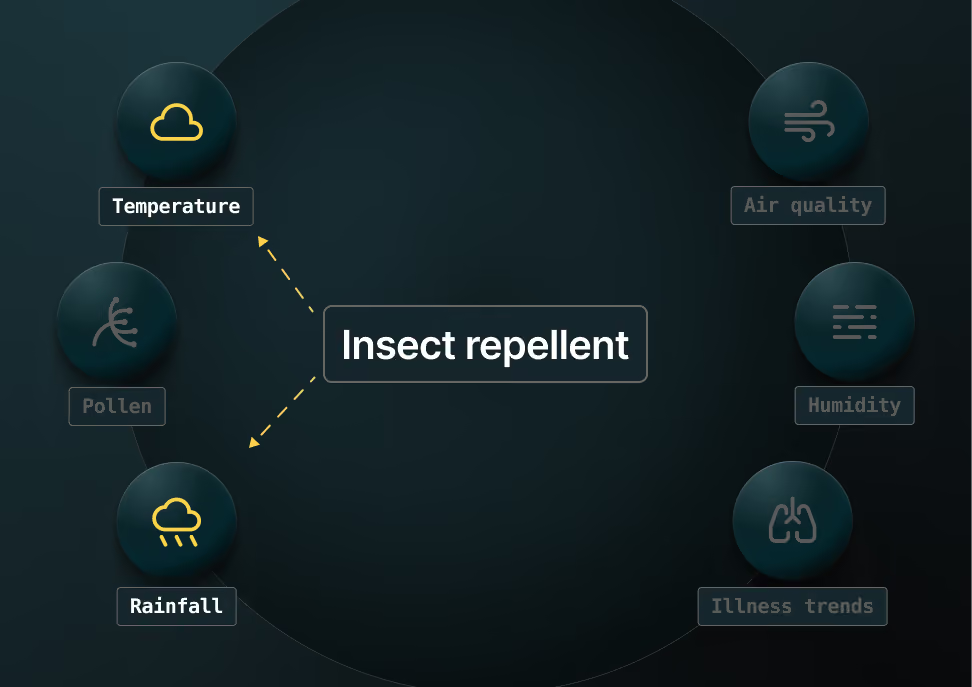
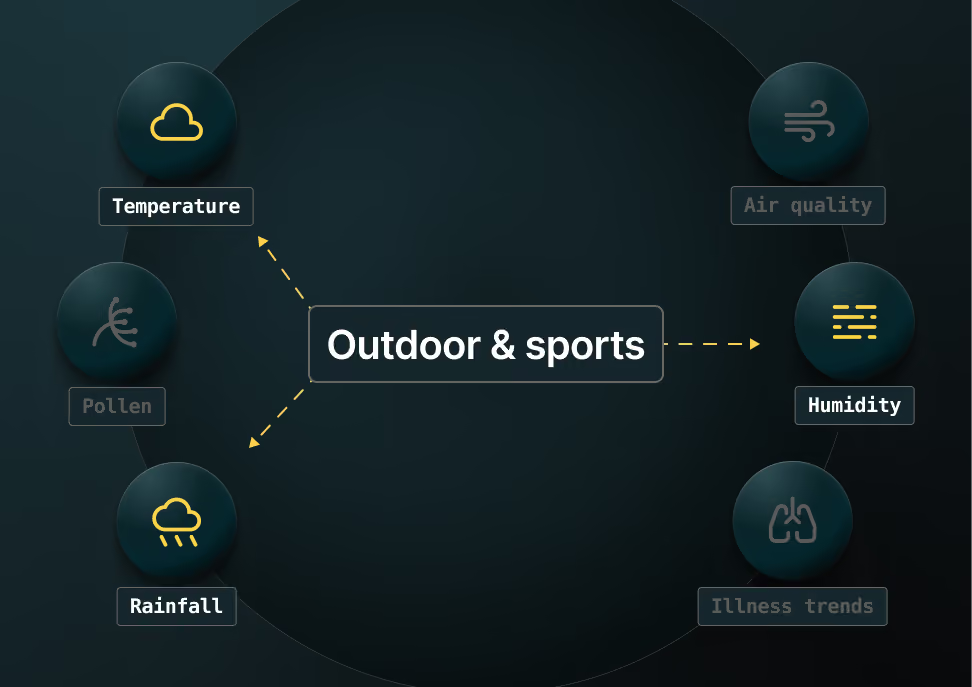
Most demand models are trained on sales history alone. Sales history tells you what sold, but not why. Without climate variables in the model, your forecast misses the conditions that actually drive demand.
correlation between flu levels and OTC medication sales volume during peak season

Aggregate and regional data confirm broad trends. They do not tell you which SKU, in which store, in which week, needs to be stocked. The gap between what the forecast predicted and what the shelf needed shows up as stockouts in one location and overstock in the next.
forecast accuracy uplift when climate signals are applied at the store-SKU level

Your planning cycle is calibrated to signals that are days or weeks behind actual consumer behavior. For categories where demand is driven by environmental conditions, that lag is the difference between a stocked shelf and a lost sale.
reduction in stockouts during peak climate-exposure windows
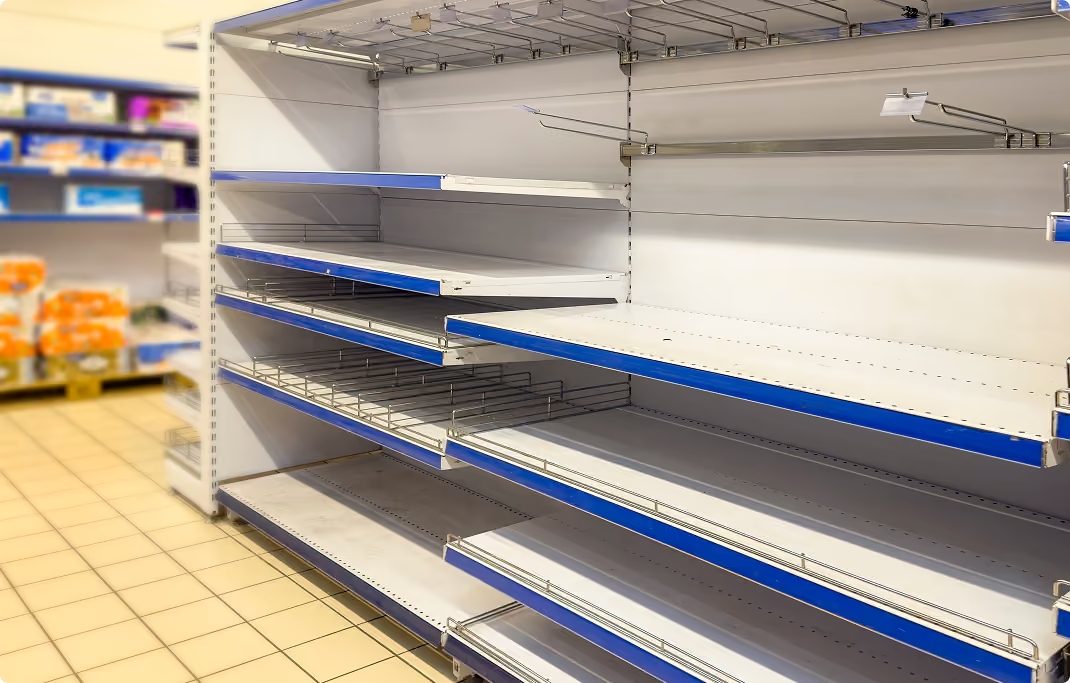
Reorder points and safety stock are usually based on historical averages. But conditions change every year, with earlier seasons and sharper peaks. When that happens, you end up with too much stock in some places and too little in others.
category share improvement from optimized on-shelf availability during peak season



.webp)