blog
Industry /
Consumer tech
The environmental layer that makes connected products smarter
The data connected products need to respond to air quality, pollen, weather, and wildfire in the moment.


Trusted Across Industries







The data connected products need to respond to air quality, pollen, weather, and wildfire in the moment.
Devices track steps, sleep, heart rate, and calories, but most still don't track the environment those bodies move through.
Pollen, air quality, wildfire smoke, and temperature extremes directly influence respiratory health, cardiovascular function, sleep quality, and allergy load, and the gap shows up in product performance.
A smart purifier that can't see outdoor conditions can't adjust in advance, a fitness wearable that ignores air quality before a morning run gives incomplete guidance, and a health app that logs symptoms without environmental context misses the most likely trigger.
Sub-kilometer resolution (<1km) available upon request.
Sub-kilometer resolution (<1km) available upon request.
Environmental conditions shape how people feel, move, and make decisions throughout the day. Ambee connects those signals to product behavior. Here’s how.
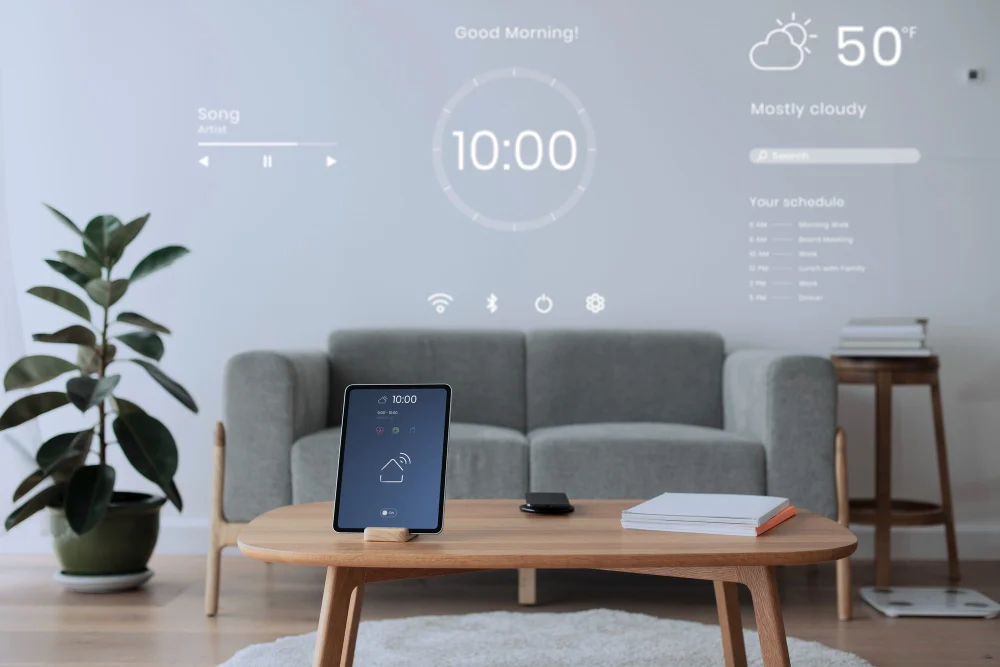
Indoor air quality depends heavily on outdoor conditions. Ambee helps purifiers adjust filtration, activate smoke-response modes, and respond to pollution or pollen spikes before indoor air deteriorates.

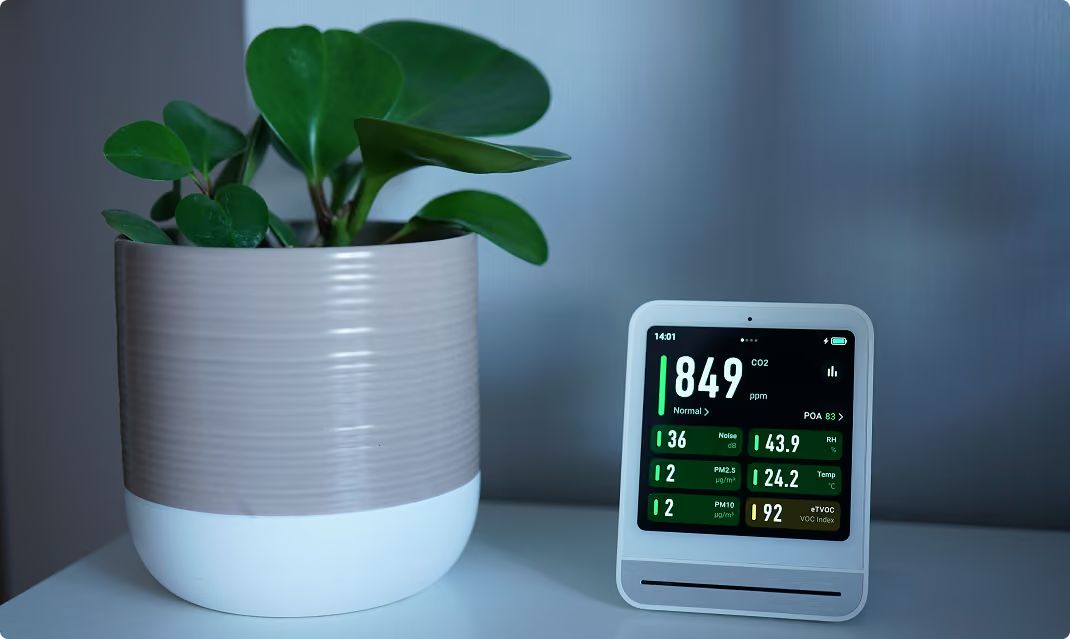
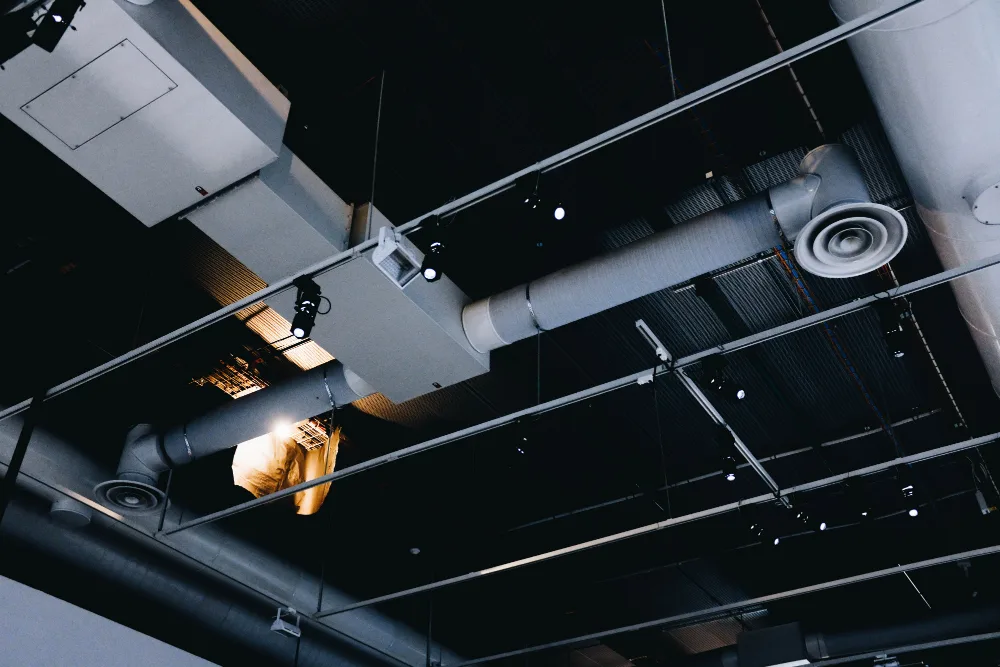
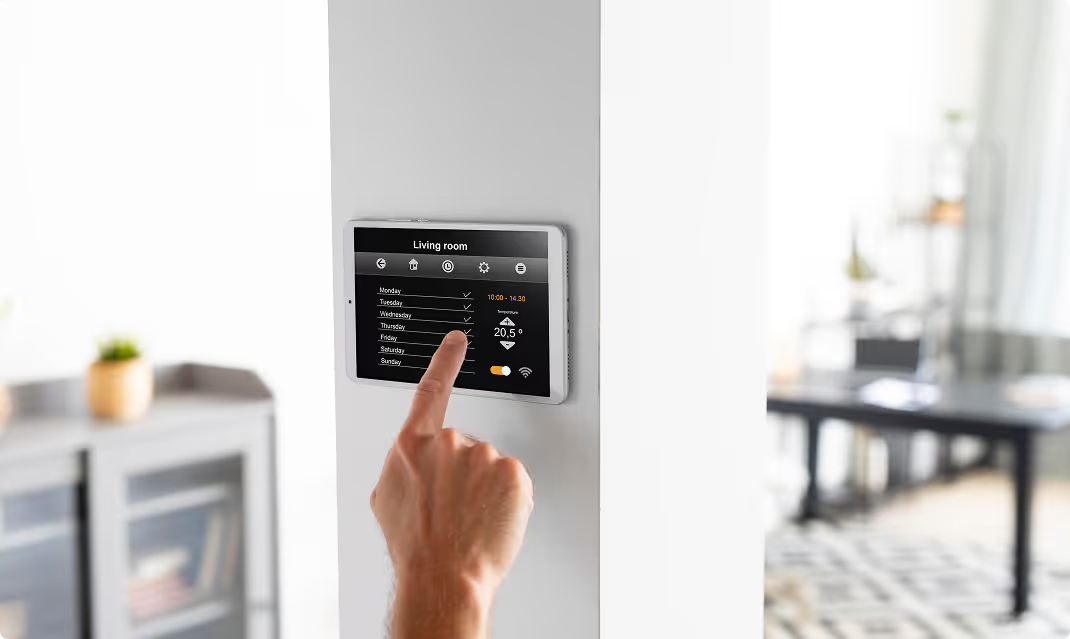
Ventilation decisions depend on more than temperature alone. Ambee helps systems schedule cleaner air intake windows and suppress ventilation during pollution or high-pollen events.
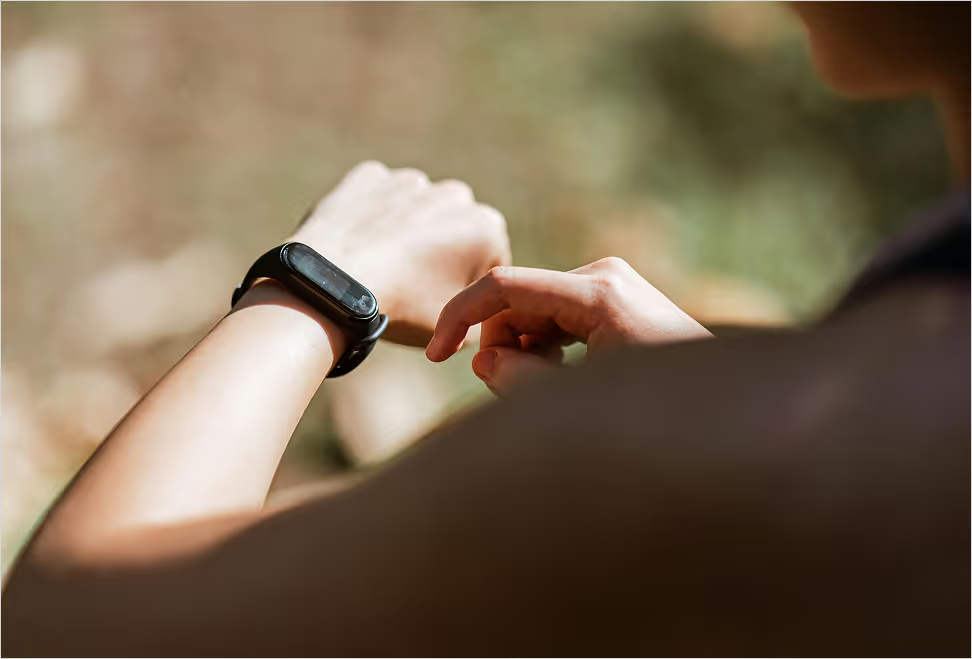
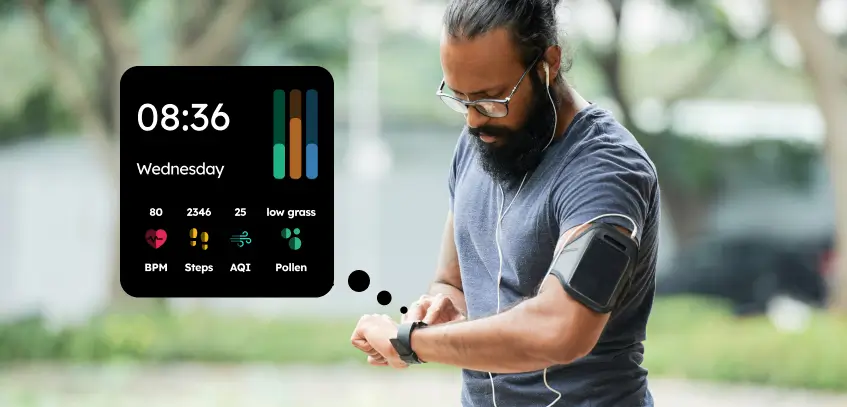
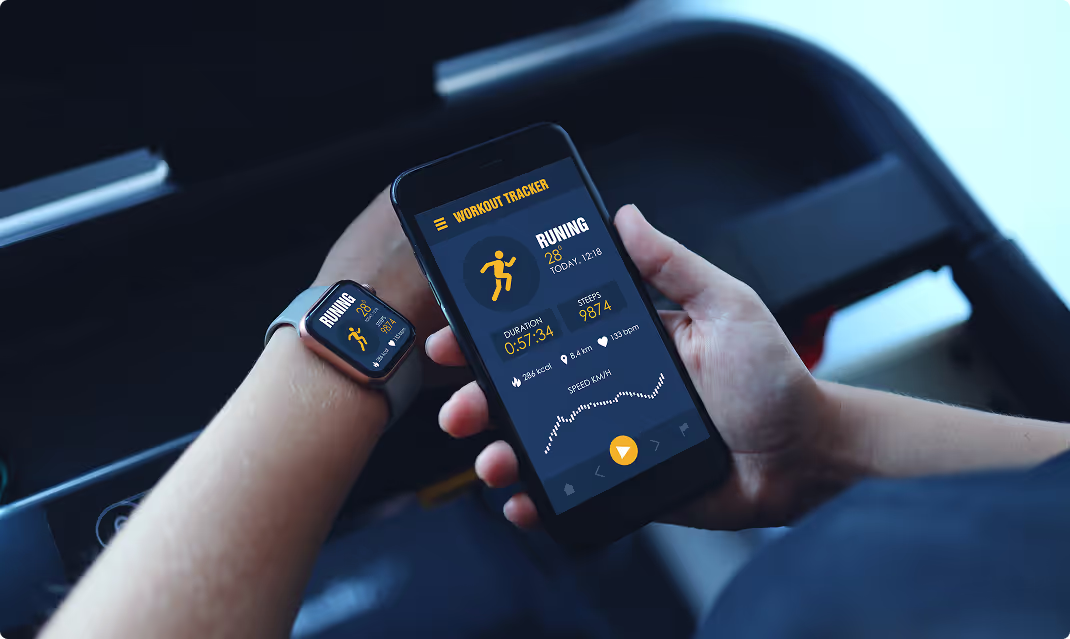
Environmental exposure shapes activity, recovery, and respiratory health. Ambee helps wearables deliver safer workout recommendations and exposure-aware health insights in real time.

For many chronic conditions, the environment is a primary trigger. Ambee helps health platforms identify exposure patterns and alert users ahead of high-risk conditions.
Ambee helps mobile applications deliver hyperlocal alerts, clean-air routing, and condition-based recommendations in real time.

Buildings are expected to optimize both comfort and occupant health. Ambee helps systems time fresh-air intake around cleaner conditions and reduce exposure during pollution events.
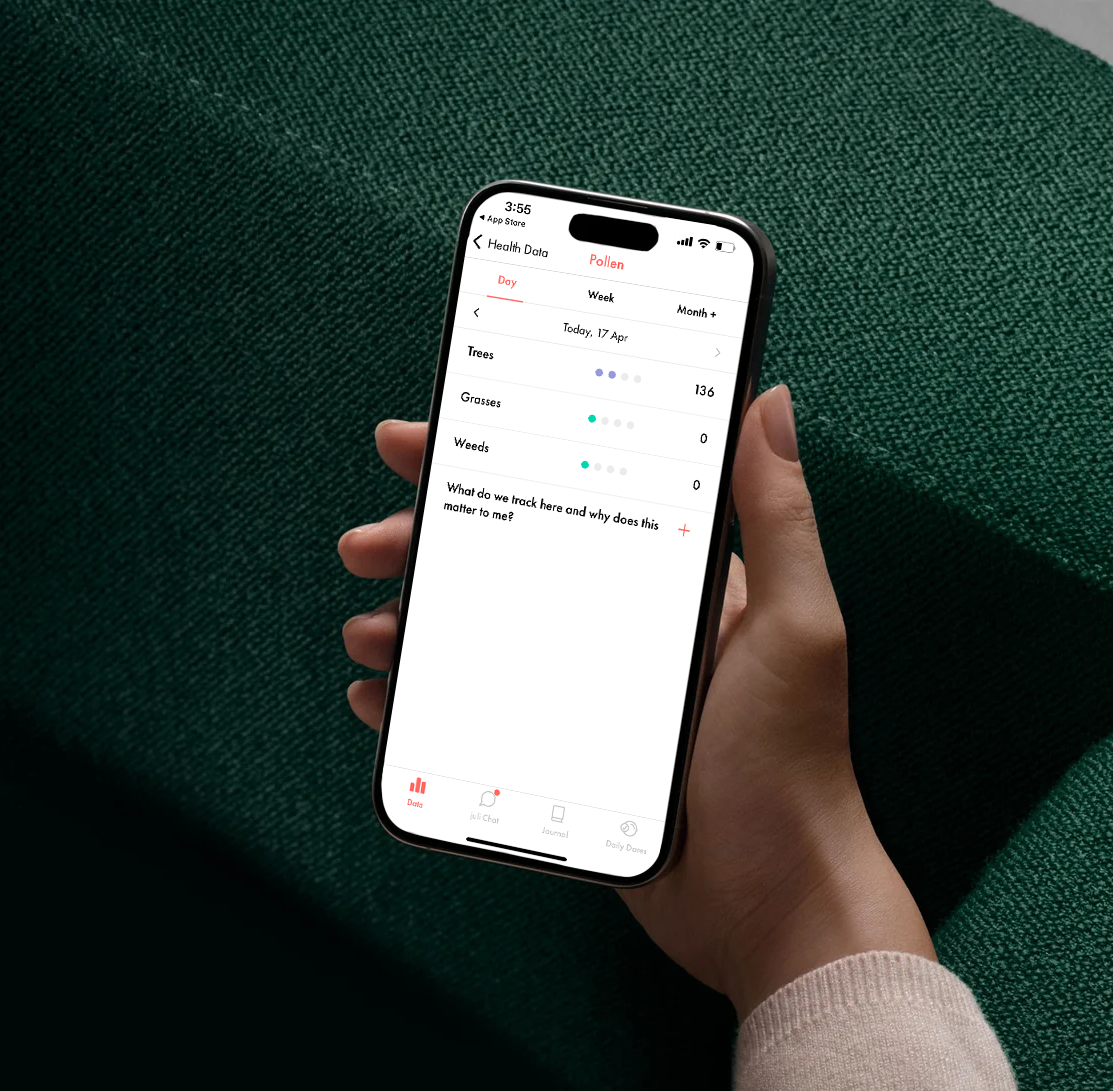
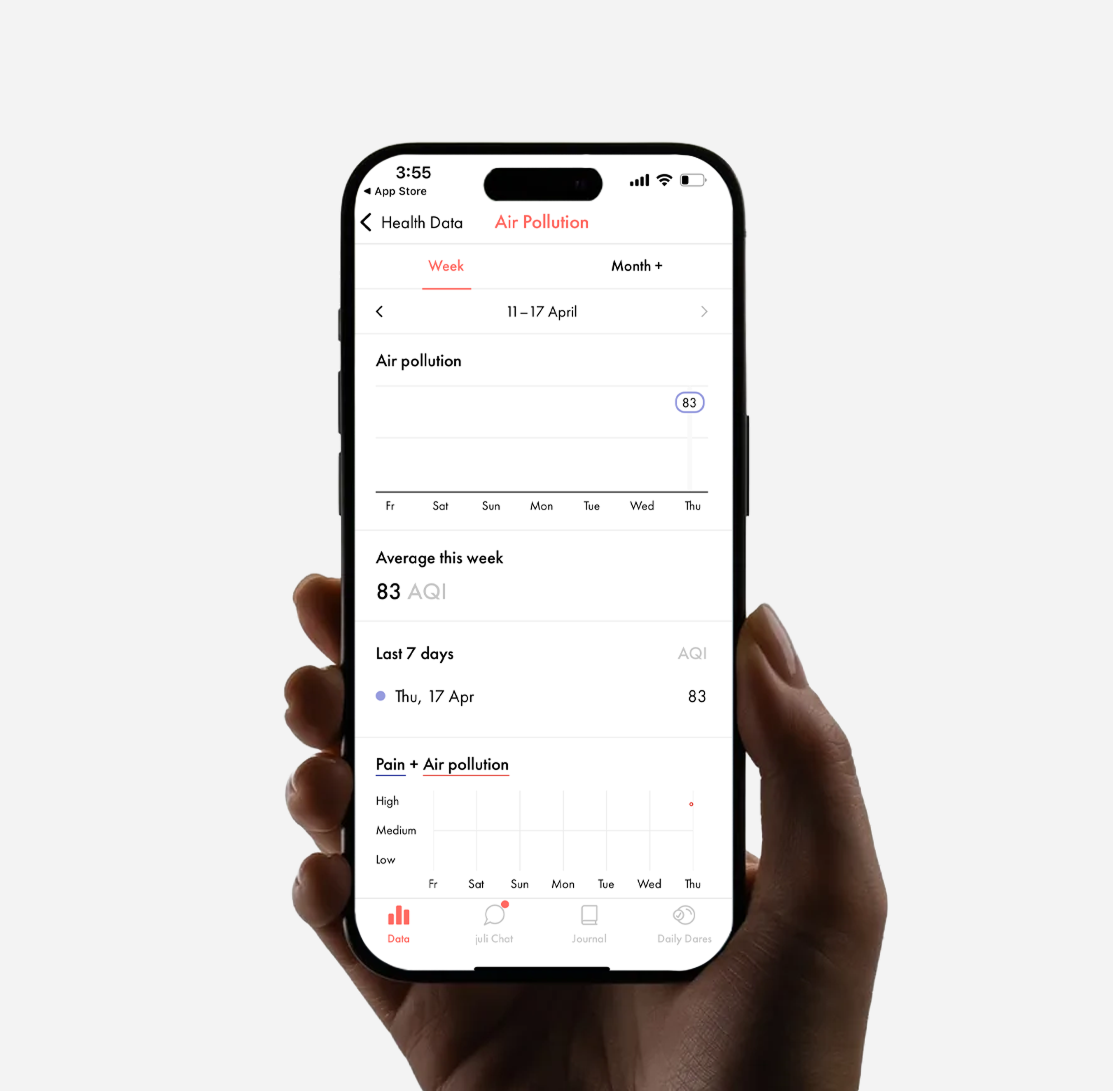
For patients managing chronic respiratory and mental health conditions, air quality and pollen largely dictate symptoms and recovery. Juli, an AI-driven digital health platform, identified a missing layer of environmental context behind these health fluctuations.
To fix this, juli integrated Ambee’s hyperlocal air quality and pollen data to better model and interpret user health.
This allowed the platform to identify correlations between environmental exposure and changes in health conditions with greater accuracy.
with repeated weekly interactions
higher than category average
strong long-term stickiness