Clean Routing adds environmental exposure inside your existing product. For health brands, wellness apps, and automotive teams, it turns a standard navigation feature into genuine, daily utility.


81 million Americans live with seasonal allergies. Pollen seasons are now longer, more geographically widespread, and more intense than they were a decade ago.
Health-conscious consumers are already adjusting their behavior around air quality and pollen. They are cancelling runs, skipping commutes, and rerouting their mornings based on conditions they can barely interpret.
The brands that give them something actionable in that moment, a cleaner path, a safer route, a real-time recommendation tied to the environment, earn a kind of trust that ad spend cannot replicate.
Environmental conditions shape how people feel, move, and make decisions throughout the day. Ambee connects those signals to product behavior. Here’s how.
Most OTC allergy brands compete in categories where products often feel interchangeable. Clean Routing helps brands become useful before symptoms begin by guiding users toward routes with lower pollen exposure and cleaner air.

Most health apps show biometrics without explaining the environment shaping those numbers. Ambee's Clean Routing adds an outdoor intelligence layer that helps users choose safer walking, running, and activity routes based on live conditions.

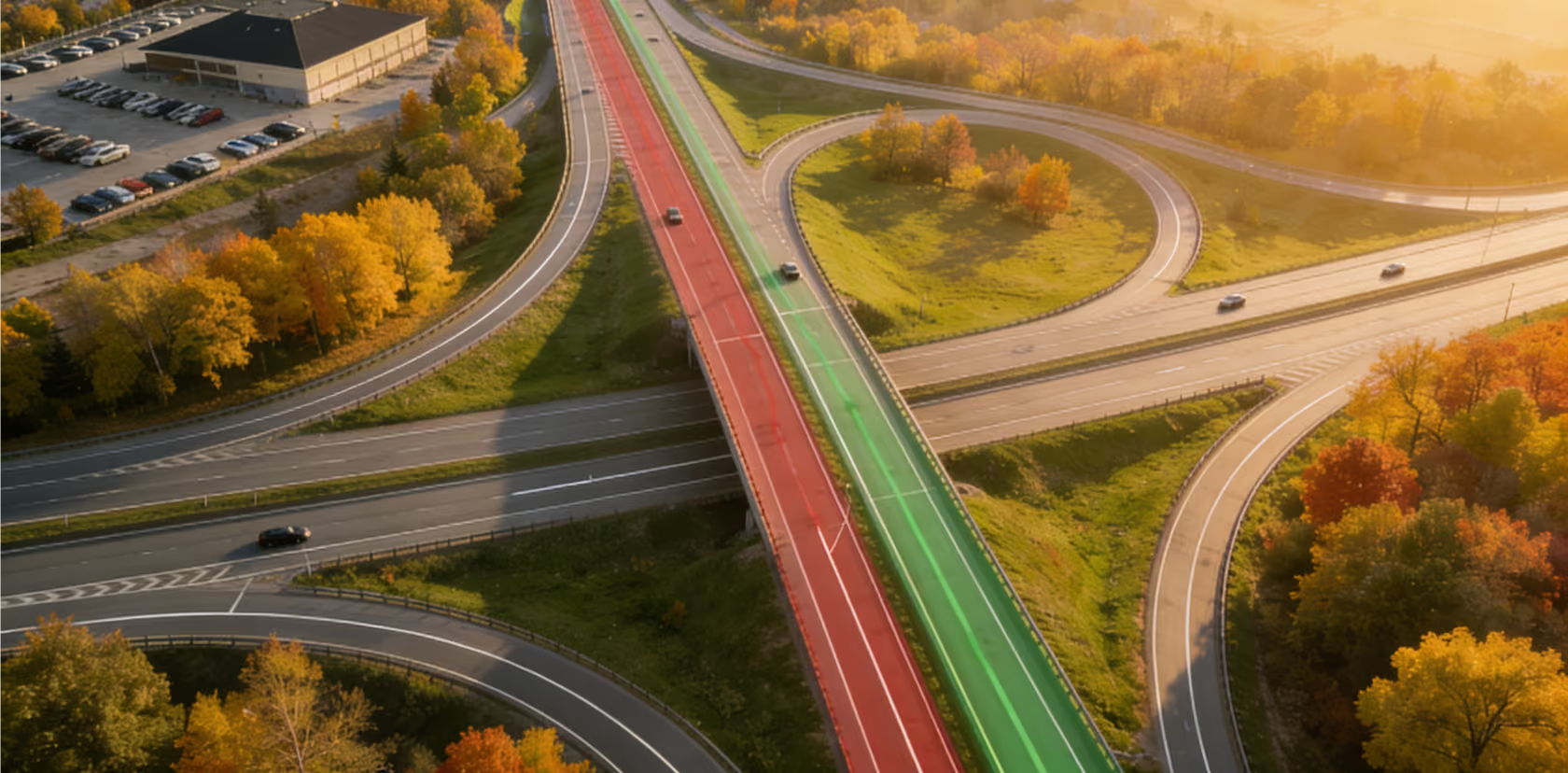
Clean Routing adds health and environmental exposure as a routing variable alongside distance and traffic. Vehicles can avoid pollution spikes, wildfire smoke, or high-allergen corridors during a journey.

Wearables already monitor the body. Instead of showing a static AQI number, devices with clean routing can recommend the cleanest route from a user's current location, turning environmental awareness into something immediate and useful.

Clean Routing integrates into mobile apps, web platforms, smartwatch interfaces, and in-vehicle systems. Tell us what you are building, and we will show you where it fits.