Resources /
Blogs
How accessible data turns students into innovators who care
December 11, 2025
Pareekshith Katti
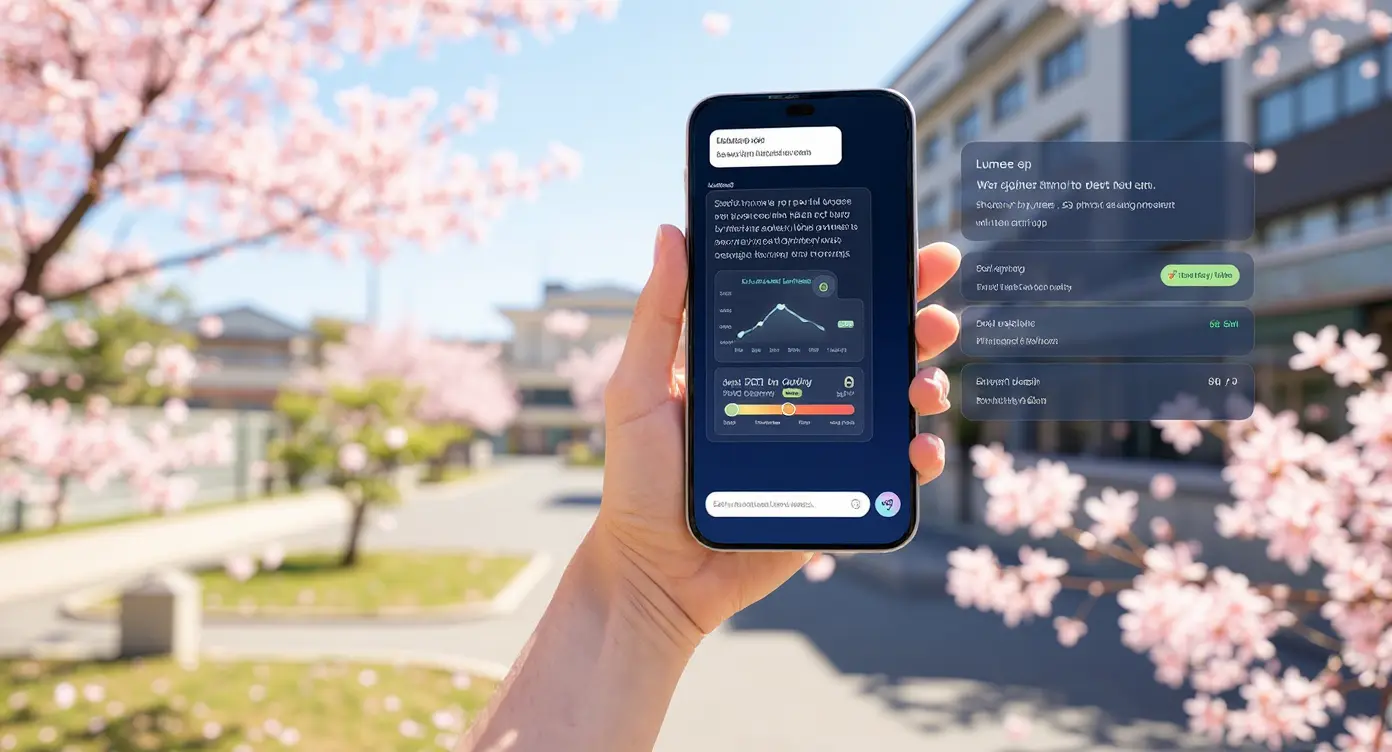
At Chung-Ang University in Seoul, four students, Hong Soon-il, Kim Doyeon, Ki Nayeon, and Lee Hahyeong, showed us how much can be achieved when curiosity meets access to real data.
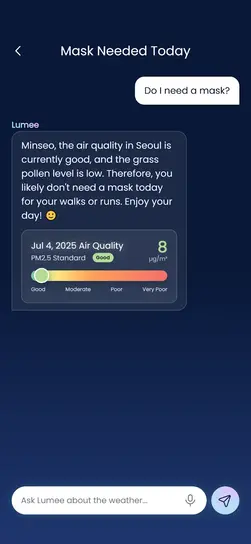
Using Ambee's Air Quality, Pollen, and Weather data, they built Lumee, a weather app that lets users ask everyday questions like "Is it safe to take my kids to the park today with the pollen levels?" in natural language and get personalized responses based on their specific health needs.
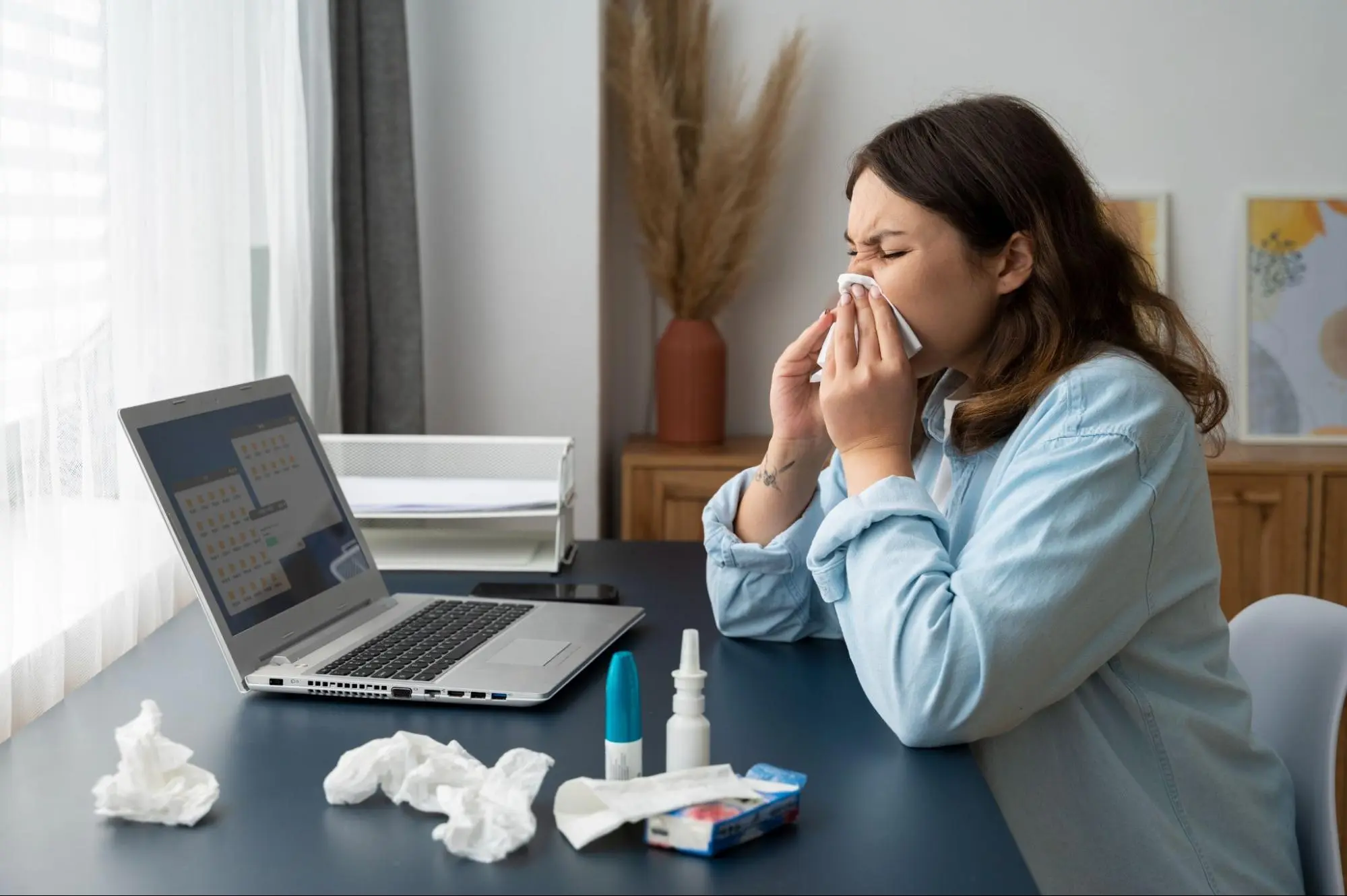
You can expect clear visualizations and practical guidance tailored to conditions like allergies, asthma, or sensitive skin.
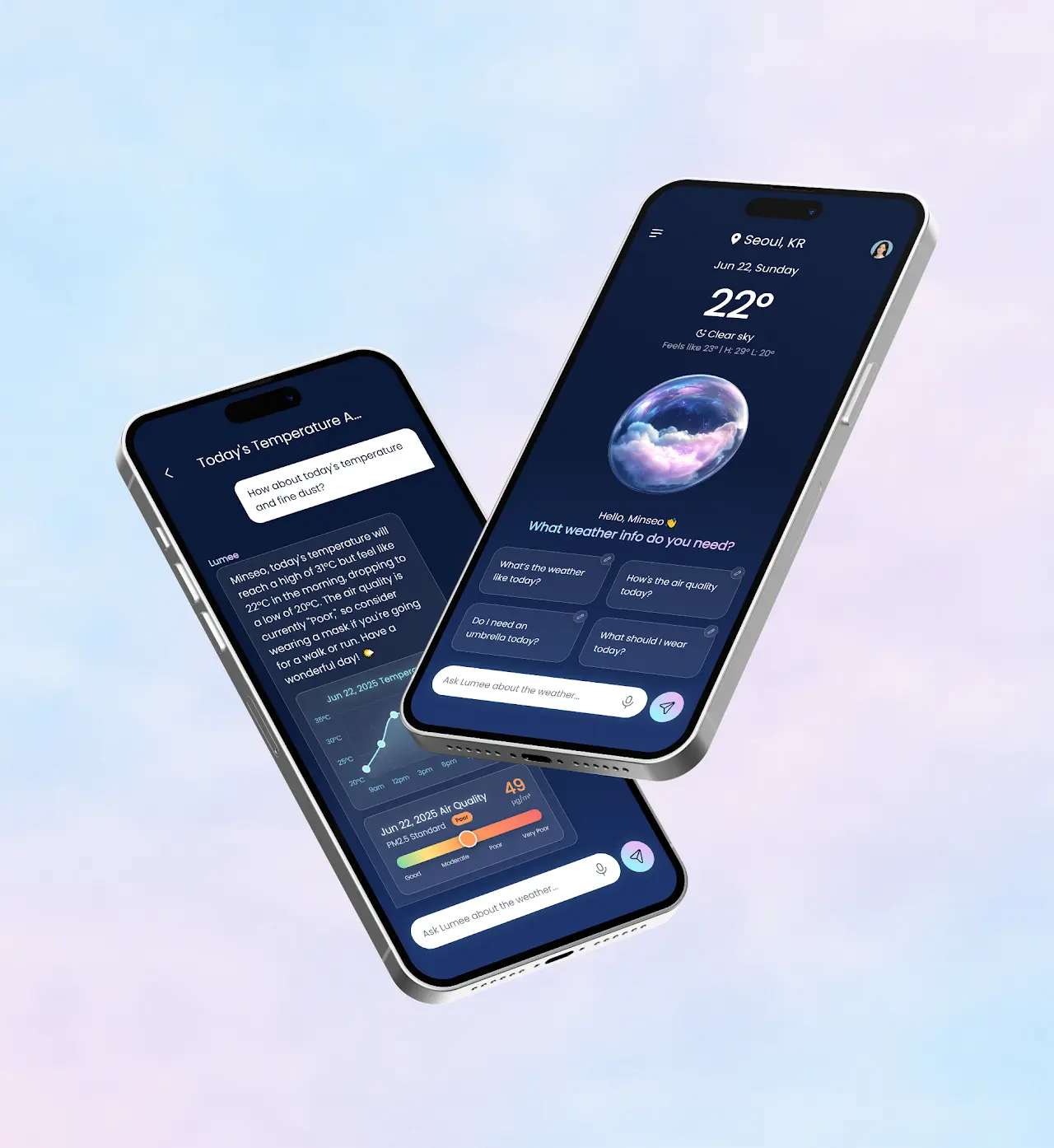
At its core, Lumee runs on three layers of intelligence:
Through the Ambee for Academia program, the Lumee team gained access to real-time, validated pollen datasets that would otherwise be difficult or costly for students to obtain.
Especially since most open datasets only provide broad, city-level averages, Ambee’s hyperlocal datasets allowed Lumee to map environmental changes to each user’s exact location, making every recommendation personally relevant and timely.
Our conversation with the Lumee team helped us gain a new perspective on why Ambee democratizing data enables students, researchers, and builders everywhere to create with purpose.
A few weeks ago, we spoke to Professor Didier Clabaut, a lecturer at Thomas More University, regarding a class of students using Ambee data for their open assignment. During that conversation, he noted:
I notice that young people find sustainability very important when choosing an employer. I can only applaud this.
Soon-il Hong and Kim Doyeon, along with their team, are the living proof of that statement. There are countless weather applications out there, but they wanted to build something different.
Through surveys and in-depth interviews with 15 participants, followed by thematic coding, they identified distinct user personas: from parents worried about their children's exposure to allergens, to elderly people sensitive to temperature changes, to young adults managing chronic conditions like asthma.
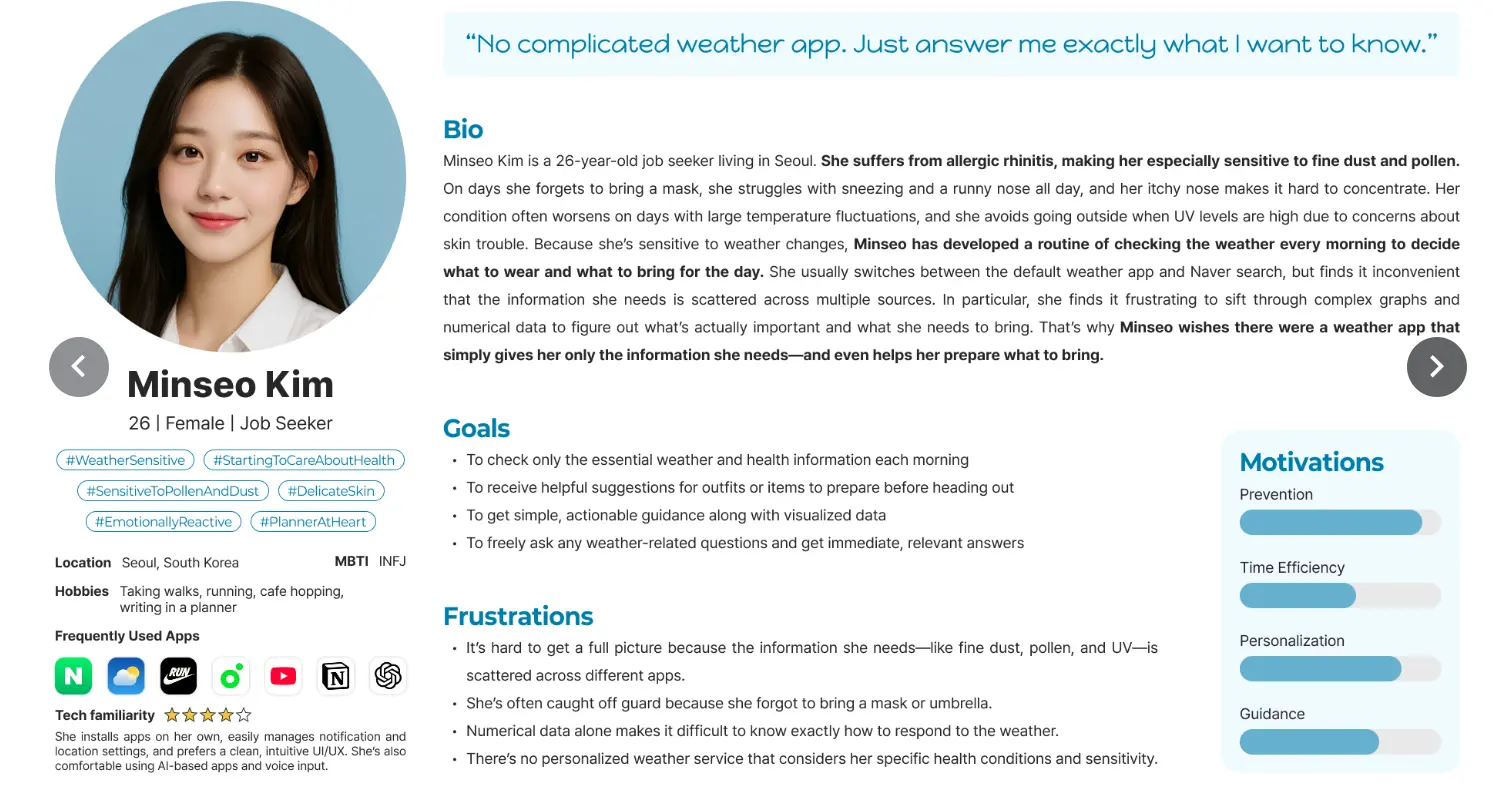
Each persona had different concerns, different sensitivities, and different questions they wanted answered.
The key problem we identified is that many users don’t realize how much weather and air quality affect their health. Most existing weather apps don’t offer personalized environmental insights, but Lumee aims to fill that gap.
However, this kind of personalization depends on one thing: reliable, continuously updating data.
That reliability is what sets Ambee’s pollen data apart. Each data point is homogenized from multiple sources, including stations, phenological, vegetation, and weather data. The result is pollen data that is compliant with internationally accepted standards, globally available, and accurate down to the user’s exact location.
For Lumee, this precision means a user in Seoul doesn’t just see a general pollen alert for the city. Instead, they see exactly what’s in the air where they are standing.
That is the difference between an app that informs and an app that empowers.
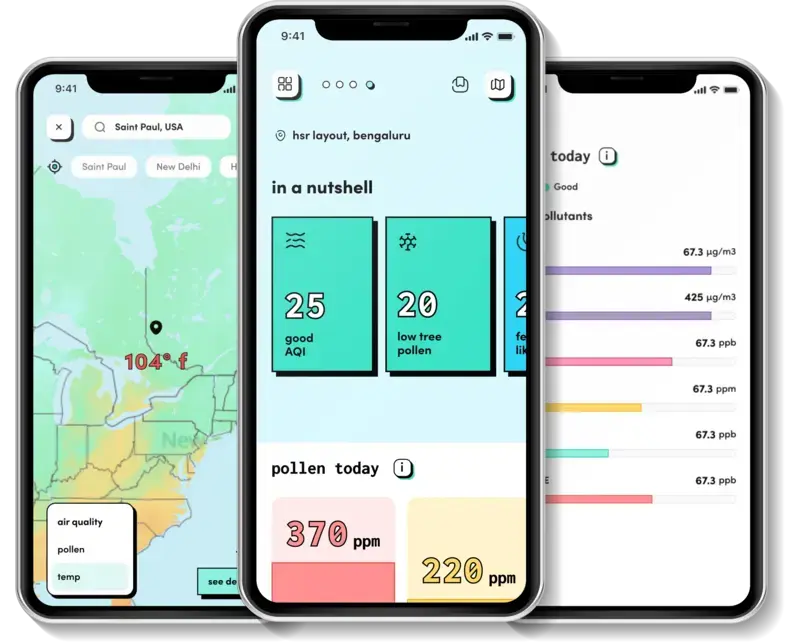
To make this intelligence universally accessible, Ambee’s mobile app lets anyone check pollen, air quality, weather, and more, customized to their exact location in real time. Available for download on App Store and Google Play Store.
Initially, Lumee was just a few students tossing ideas around, unsure where to start. But once they understood how external APIs worked and gained access to Ambee’s environmental data, along with a location API and a fine dust API, everything shifted.
Here’s how what Ambee measures turns into what Lumee creates:
Kim Doyeon explained it best:
I especially liked that the pollen data were not aggregated. It was divided into trees, weeds, and grasses. That structure made it more versatile for different use cases. Even though we used combined data in our prototype, the detailed version will help us build truly personalized experiences.
Around 99% of the world’s population lives in areas where air pollution levels exceed WHO guidelines, and 6.7 million people die every year from exposure to polluted air.
Digital health company juli saw the same challenge and decided to act.
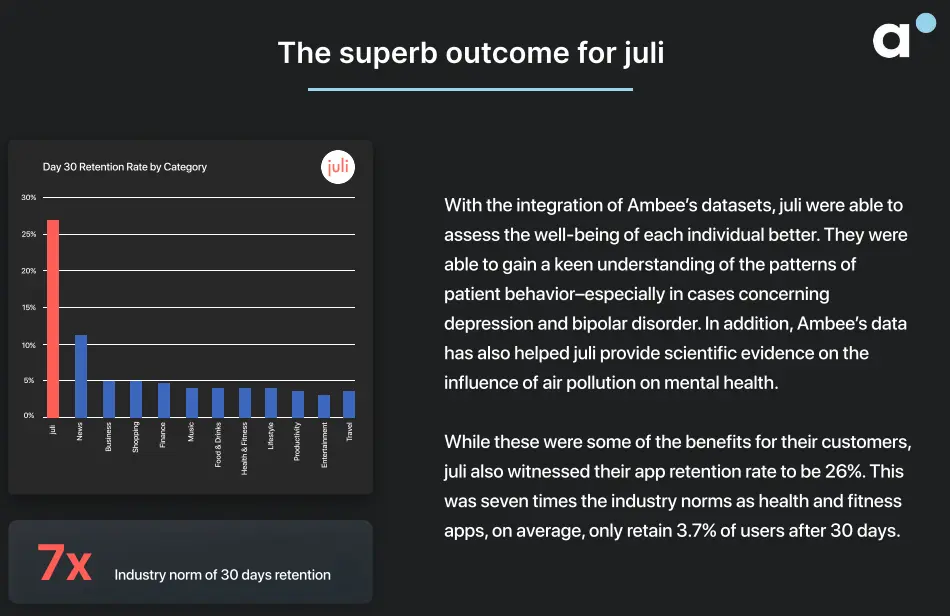
They integrated Ambee's hyperlocal air quality and pollen data into their platform to help their customers understand environmental triggers and make more informed health decisions.
Here's how it works: juli’s AI calculates a personalized condition state model for each user. For chronic conditions like asthma, depression, and bipolar disorder, air quality becomes a critical variable in predicting and managing symptom patterns.
Ambee’s data feeds provide the accuracy and granularity needed to make those predictions reliable.
Immediately, app engagement rates rose to 2.2 sessions per week on average.
The results speak for themselves:
The current version of Lumee is still a prototype, but the team already has its sights set on something much more intelligent and personal.
Their next milestone is clear: App marketplaces. Kim Doyeon also shared that after a few refinements, they’re confident Lumee can grow into a leading weather app.
At the heart of this growth is Ambee’s data integration. Access to reliable, structured environmental data is what gives students like Hong Soon-il and Doyeon Kim the confidence to scale their vision.
The team is already developing a login system with Google integration to support customized experiences for every user. Alongside that, they’re refining Lumee’s interface and visuals so the app can adapt in real time to a person’s surroundings and preferences.
Lumee may have started as a university project, but it’s quickly becoming a masterclass in student-driven innovation.
As admirers of student-led breakthroughs, we encourage more educators, professors, and researchers to bring Ambee’s actionable climate data into their classrooms, labs, and the hands of people who want to make a difference.
00:00
/
00:00
00:00
/
00:00
00:00
/
00:00
00:00
/
00:00